
Start with understanding
Begin by learning the basics of Islam and Muslims without assumptions or prejudice. With accurate understanding, welcoming Muslim travelers does not need to be overly difficult.

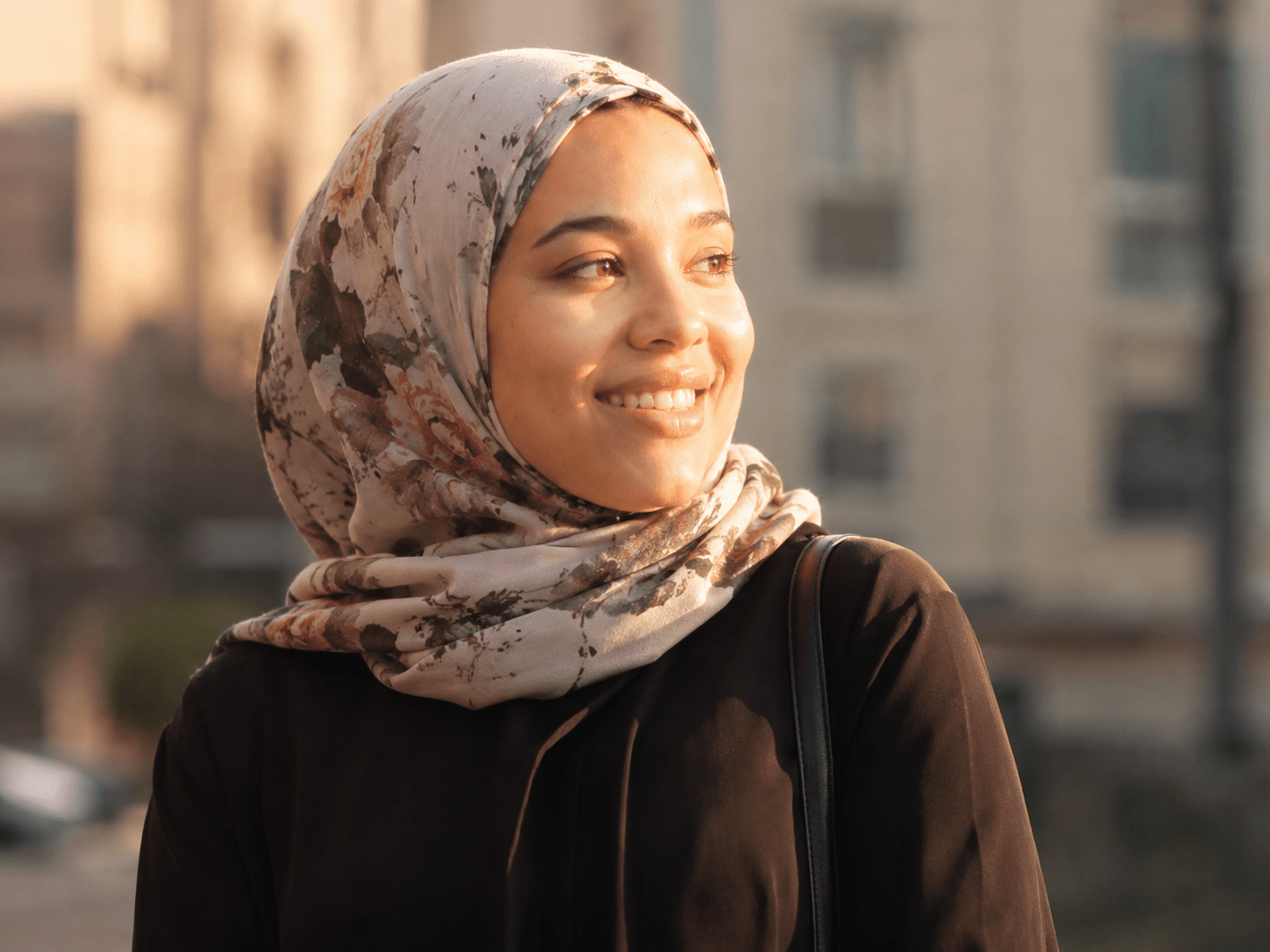
Here are the basic ideas to understand before welcoming Muslim travelers,
and practical points for food, prayer, and hospitality.
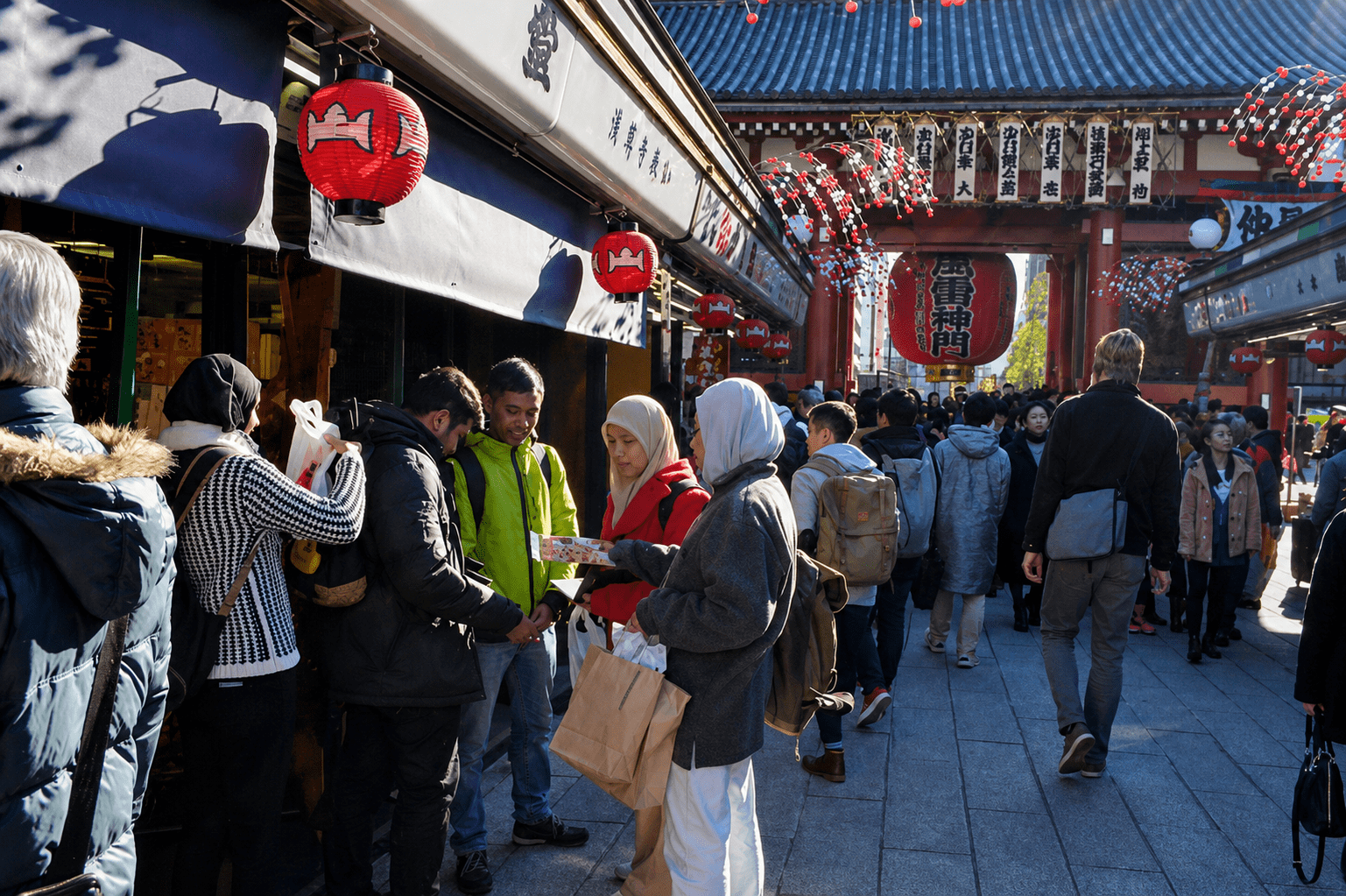
Many Muslim travelers want to enjoy travel and everyday life in Japan. Facilities do not need to prepare everything perfectly. Organizing what can be provided realistically and communicating it clearly helps visitors feel at ease.
Begin by learning the basics of Islam and Muslims without assumptions or prejudice. With accurate understanding, welcoming Muslim travelers does not need to be overly difficult.
It is realistic to start with what can be prepared without major cost or time. Clear information on websites, signs, and menus helps visitors feel secure.
Many Muslim travelers understand local conditions and want to enjoy experiences in Japan. Avoiding overly strict measures that create heavy burdens is also important.

A Muslim is a person who follows Islam. Muslims live across many countries, regions, and cultures, including Southeast Asia, South Asia, the Middle East, Europe, and North America. It is important not to assume nationality or appearance, and to understand that individual practices vary.

Halal means what is permitted under Islamic law. For meat, processing according to Islamic rules is important, while seafood, vegetables, and fruit are generally easier choices. Halal certification also applies to beverages, hygiene products, restaurants, and distribution.
Muslims pray five times a day at set times, facing the direction of Mecca. During travel, some may combine prayers depending on schedules and movement, but a clean and calm place helps them feel comfortable.

Islam includes important practices such as the declaration of faith, prayer, charity, fasting, and pilgrimage. During Ramadan, many Muslims fast during daylight hours, and modest clothing or other customs may also be relevant beyond food.

Ramadan is the ninth month of the Islamic calendar and a sacred month. Many Muslims refrain from eating and drinking from dawn to sunset. Practices vary depending on travel, health, and individual circumstances.

Wudu is the purification performed before prayer. It involves washing parts of the body such as the hands, mouth, nose, face, arms, head, ears, and feet, preparing both body and mind for prayer.

Qibla is the direction of the Kaaba in Mecca, which Muslims face during prayer. Wherever they are in the world, confirming this direction is a basic part of prayer.

A mosque is a place where Muslims pray, learn, and gather as a community. It plays a central role in religious life, including congregational prayers such as Friday prayer.
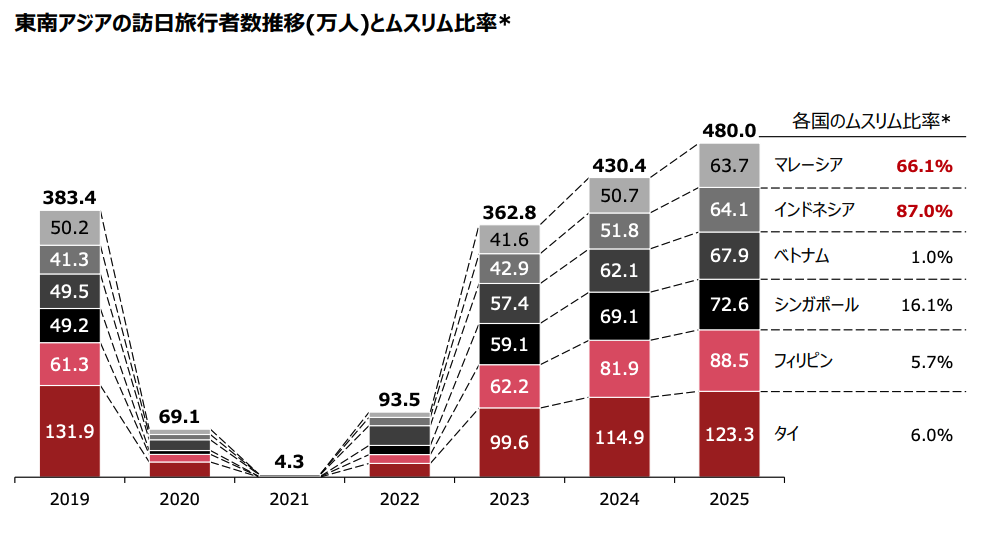
Visitor numbers from Southeast Asia have recovered rapidly since the COVID-19 pandemic, and 2025 reached a record high. Malaysia and Indonesia have especially high Muslim populations, increasing the need to improve welcoming environments for wider travel and spending.
Muslim-friendly support is not special treatment; it is an effort to provide information and environments where travelers can eat and pray with confidence.
Needs vary by person. Clearly stating what can be provided and confirming details when needed is useful in practice.
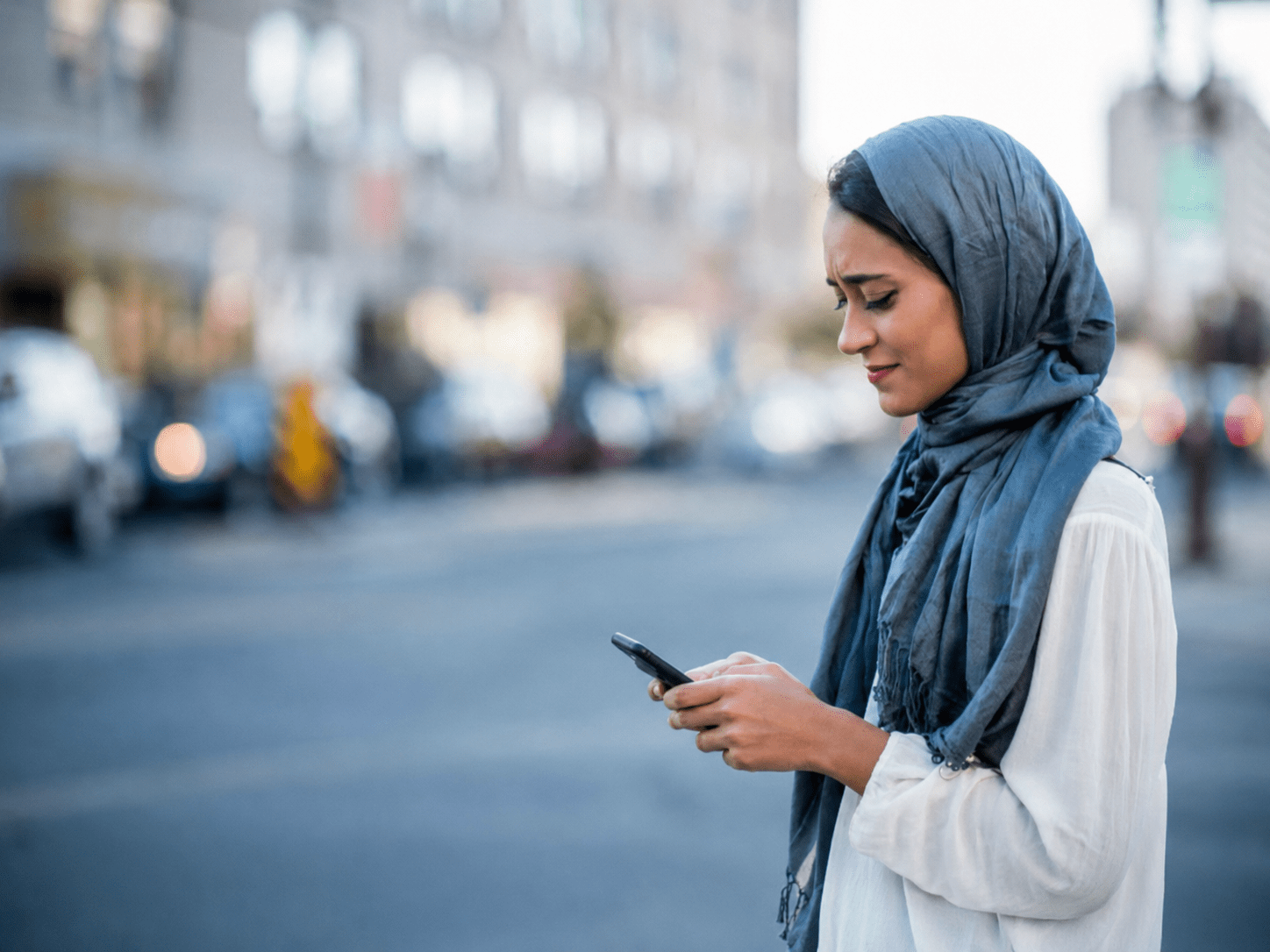
Rather than starting with major investment, it is practical to begin by organizing and communicating the information you can already provide.
You do not need to prepare everything perfectly. Organize what you can and cannot provide, and communicate it clearly through your website, signs, and staff guidance.
Indicate whether pork, pork-derived ingredients, alcohol, or animal-derived ingredients are used. Information about easier choices such as seafood, vegetables, and fruit is also practical.
Even without a dedicated room, a clean and quiet vacant room or multipurpose space can be useful. It also helps to check whether the space is away from heavy foot traffic.
Prayer is performed in a clean place while facing the Qibla, the direction of Mecca. Rental prayer mats, direction marks, or a Qibla compass make the space easier to use.
Before prayer, Muslims wash parts of the body such as the hands, face, and feet. Information about nearby sinks or water areas, slippers, towels, and paper towels is practical.
Knowing the location and route to nearby mosques, prayer spaces, and halal-friendly shops makes it easier for staff to respond to questions.
Some people avoid physical contact with unrelated members of another gender. Staff can share simple steps such as avoiding one-on-one situations or keeping doors open when guiding guests.
Free Wi-Fi, English signage, and pictograms help travelers check prayer times, Qibla direction, and food information themselves.
PraySpot is a reservation platform that helps Muslim travelers find places where they can pray with confidence while traveling or going out.
Hotels, shops, offices, public facilities, and other spaces can list unused areas as prayer spaces, allowing users to check the location, facilities, and available hours in advance. This reduces the anxiety of having to pray on the street or in crowded public places, while helping facilities start welcoming visitors in a realistic way.
